Move Without Pain. Live Actively. For Life.
Our musculoskeletal system provides us with mobility, stability and quality of life at every stage of life. Whether you are affected by an injury, age-related wear and tear, congenital musculoskeletal conditions or chronic disorders, Medconnect Vienna connects you with experienced orthopaedic and trauma surgery specialists.
Working with leading consultants and specialised centres of excellence across Vienna, we help you find the most appropriate diagnosis and treatment – from preventive care and modern conservative therapies to minimally invasive surgical procedures.
From treating acute injuries and correcting congenital conditions to preventing and managing chronic musculoskeletal disorders, we guide you to the right medical expertise for every stage of life.
Shoulder – Precision in Motion
Our shoulders often carry more than just the movements of everyday life – they also bear the weight of our responsibilities, challenges, and burdens. As one of the body’s most complex joint systems, they deserve expert care when pain or limited mobility affects your quality of life.
Shoulder Impingement & Rotator Cuff Tears
The rotator cuff is a group of muscles and tendons that surrounds the shoulder joint, keeping it stable and allowing smooth, pain-free movement.
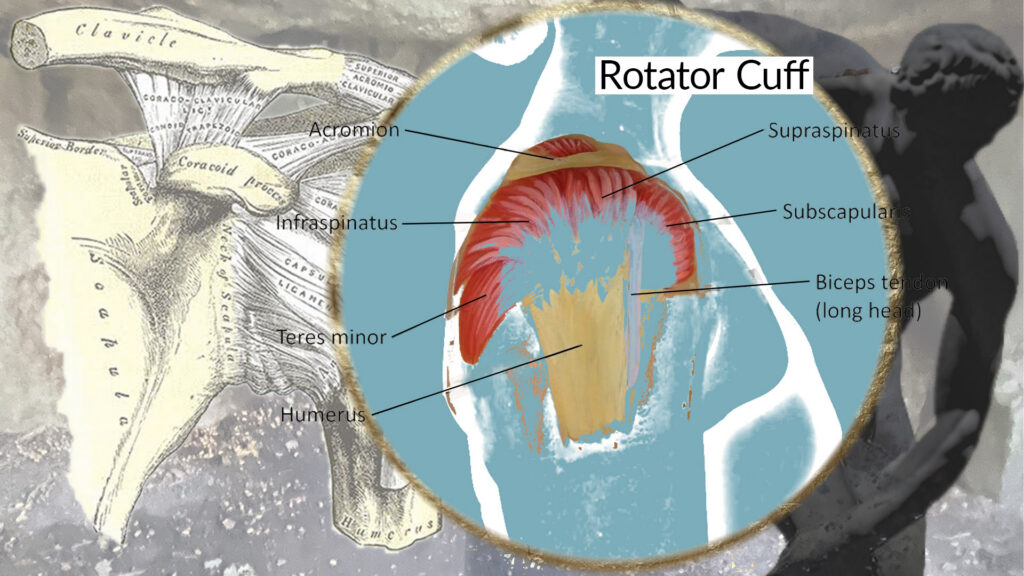
Shoulder impingement syndrome occurs when the space beneath the top of the shoulder becomes too narrow, causing the tendons and the bursa (a fluid-filled cushion) to become compressed. This can lead to pain, inflammation, and restricted movement.
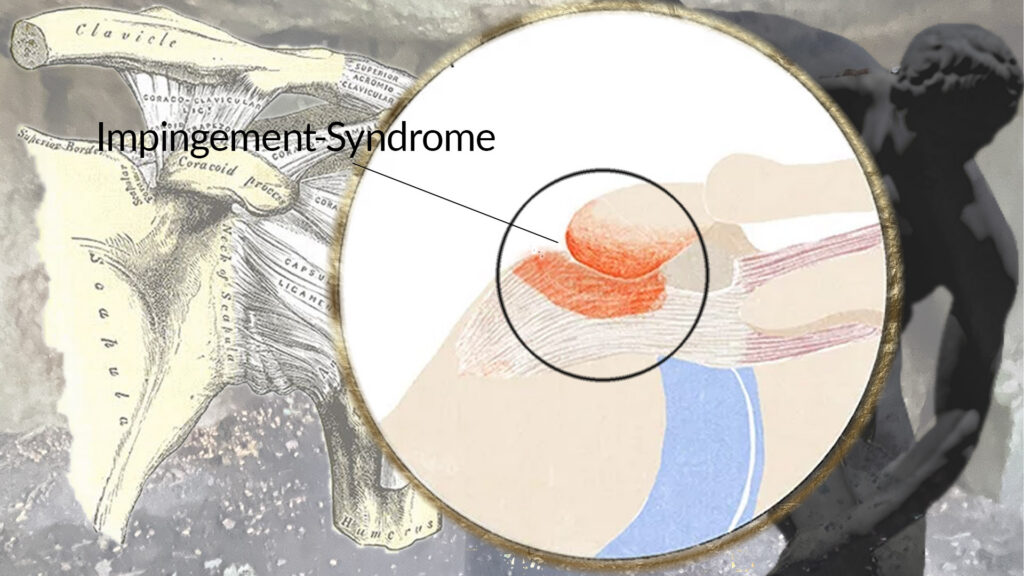
Rotator cuff tear
A rotator cuff tear is a partial or complete tear of one of these tendons. It can result in shoulder pain, weakness, and a significant loss of mobility.
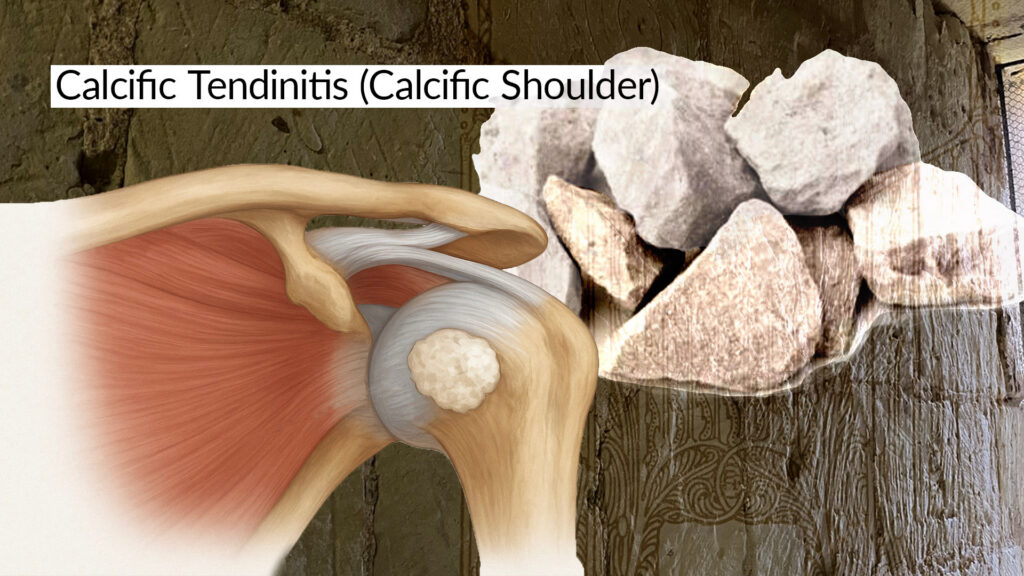
Calcific Tendinitis (Calcific Shoulder)
Calcific tendinitis is caused by calcium deposits in the tendons of the rotator cuff, most commonly in the supraspinatus tendon. Temporary changes in blood supply to the tendon are thought to trigger these deposits, which can lead to painful inflammation of the bursa (bursitis).
It most often affects adults between the ages of 30 and 50 and may cause severe shoulder pain – especially at night – along with stiffness and restricted movement.
Frozen Shoulder
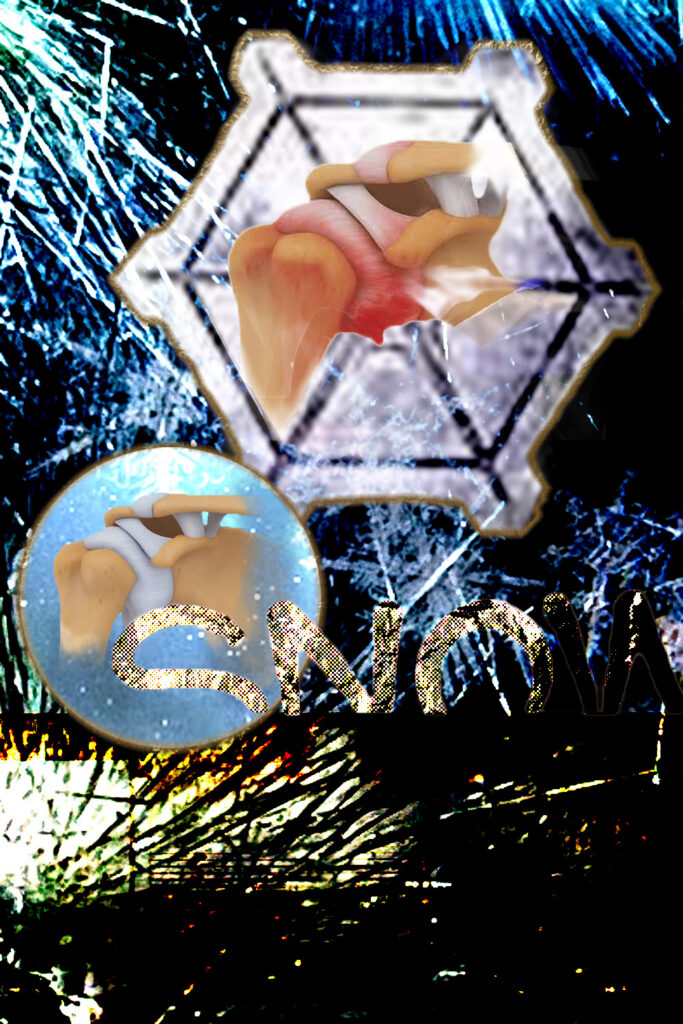
also known as adhesive capsulitis occurs when the capsule surrounding the shoulder joint becomes inflamed and gradually contracts, leading to pain and restricted movement. Diabetes, thyroid disorders, and hormonal changes are among the possible risk factors.
Frozen Shoulder typically progresses through three stages:
1. Freezing Stage (Painful Stage)
Sudden onset of shoulder pain, often worse at night, with gradually increasing stiffness.
2. Frozen Stage (Stiffness Stage)
The pain usually begins to decrease, but the shoulder becomes increasingly stiff, making everyday movements more difficult.
3. Thawing Stage (Recovery Stage)
The stiffness gradually resolves, and the shoulder slowly regains its normal range of motion.
Treatment is usually conservative. Pain-relieving and anti-inflammatory medication, together with gentle physiotherapy, can support recovery. Heat therapy and therapeutic ultrasound may also be used to improve blood circulation and relieve pain. In most cases, surgery is not necessary.
Typical symptoms include pain, swelling, tenderness, and a visible bump over the top of the shoulder caused by the displaced collarbone.
SLAP Tear (Superior Labrum Anterior to Posterior)
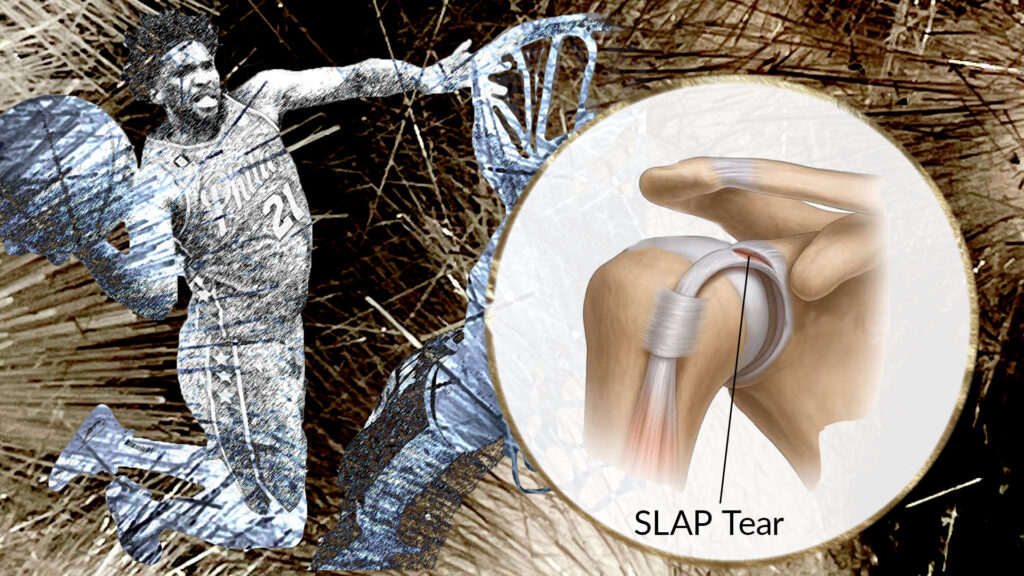
A SLAP tear is an injury to the superior labrum – the ring of cartilage that surrounds the shoulder socket. It often occurs after a fall onto an outstretched arm or a shoulder dislocation, causing the labrum to tear or detach from the socket.
Typical symptoms include deep shoulder pain, particularly during overhead movements, weakness, a catching sensation, and clicking or popping sounds within the joint.
In addition to traumatic injuries, SLAP tears can develop through repetitive overhead activities such as volleyball, tennis, weightlifting, or other sports that place repeated stress on the biceps tendon. Age-related wear and tear may also contribute to this condition.
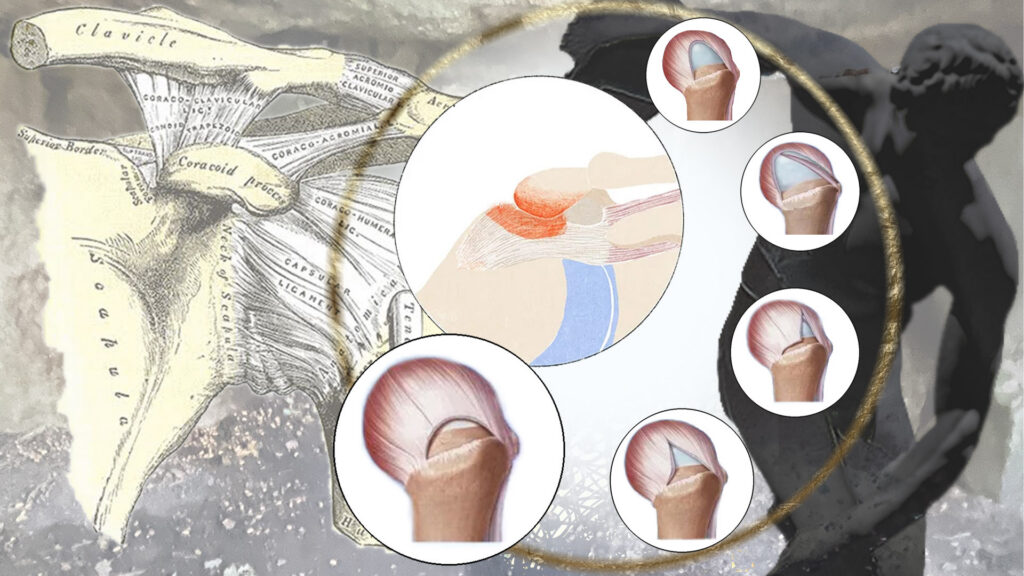
SLAP tears are commonly classified into four main types:
Type I: Fraying of the superior labrum while the attachment remains stable.
Type II: The superior labrum and the attachment of the biceps tendon become detached from the glenoid (shoulder socket). This is the most common type.
Type III: A bucket-handle tear of the labrum, while the biceps tendon remains firmly attached.
Type IV: The tear extends from the labrum into the biceps tendon.
Treatment depends on the type and severity of the injury. Mild cases are usually managed conservatively with a short period of immobilisation, followed by targeted physiotherapy to restore mobility and strengthen the rotator cuff and the muscles that stabilise the shoulder.
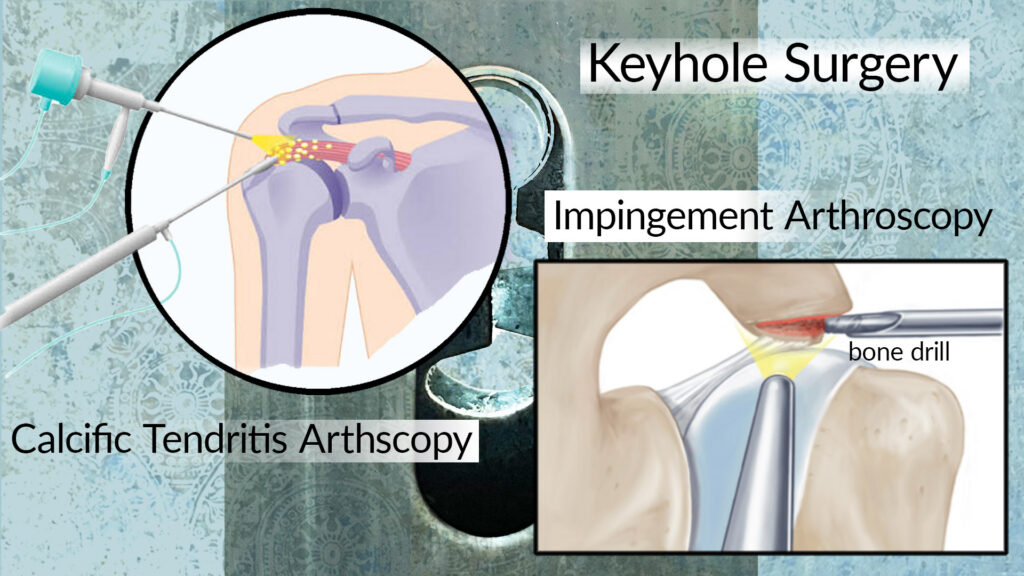
More severe SLAP tears are often treated with arthroscopic (keyhole) surgery. During this minimally invasive procedure, the torn labrum – and, if necessary, the biceps tendon – is reattached to the shoulder socket using small surgical anchors, helping to restore stability and shoulder function.
Acromioclavicular (AC) joint dislocation
commonly known as a shoulder separation, occurs when the ligaments connecting the collarbone (clavicle) to the highest point of the shoulder blade (acromion) are stretched or torn. This injury is most often caused by a fall directly onto the shoulder, a heavy impact, or contact sports.
Typical symptoms include pain, swelling, tenderness, and a visible bump over the top of the shoulder caused by the displaced collarbone.
Treatment depends on the severity of the injury, which is commonly classified according to the Rockwood classification (Types I–VI).
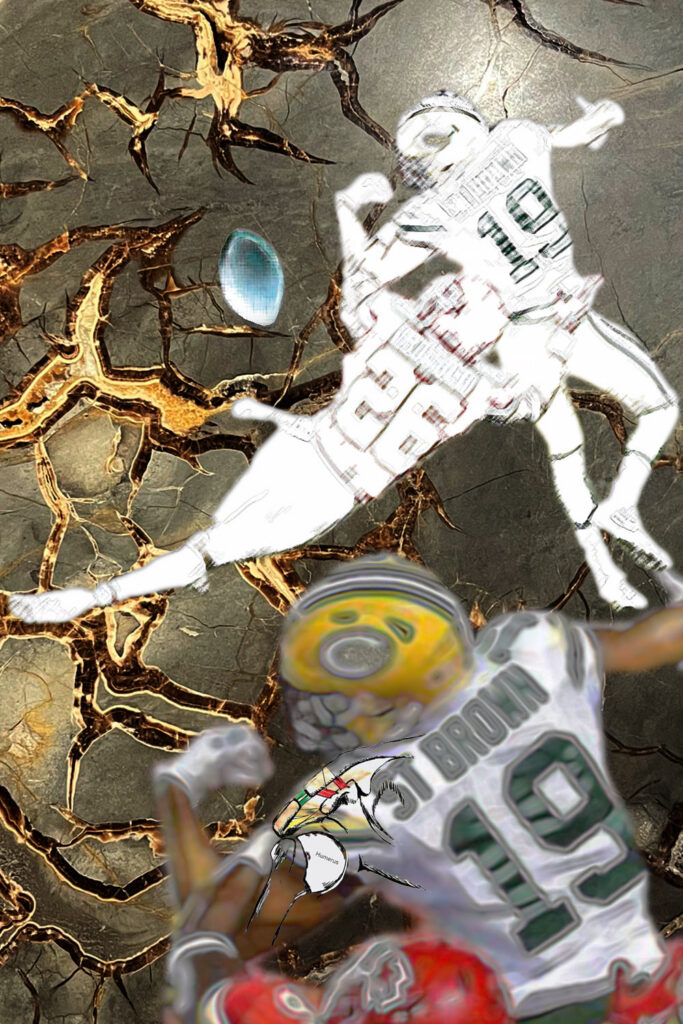
For mild injuries, conservative treatment is usually sufficient. This typically includes immobilising the shoulder with a sling, applying ice to reduce swelling, taking pain-relieving medication, and performing gentle wrist and elbow exercises to prevent stiffness.
More severe injuries involving complete ligament tears or significant joint instability may require surgical treatment to restore stability. Depending on the type of injury, this may involve ligament reconstruction or hook plate fixation.
Glenohumeral Osteoarthritis
Glenohumeral osteoarthritis is a degenerative condition of the shoulder joint in which the cartilage between the head of the upper arm bone (humerus) and the shoulder socket gradually wears away. As the protective cartilage deteriorates, the bones begin to rub against each other, causing pain, stiffness, and a reduced range of motion.
The condition is most commonly associated with ageing but may also develop as a result of previous shoulder injuries, rotator cuff tears, or inflammatory diseases such as rheumatoid arthritis.
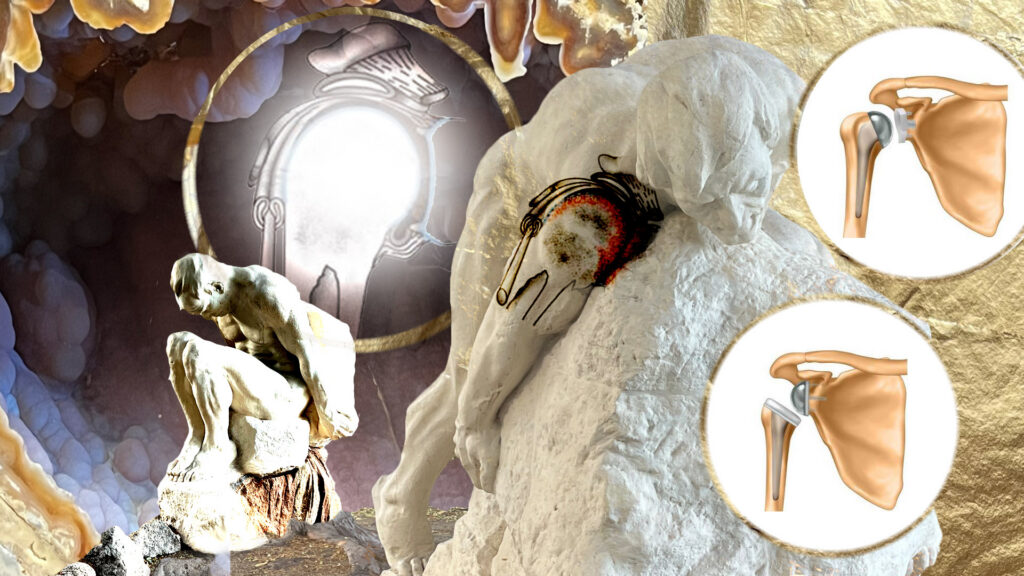
The severity of osteoarthritis is commonly assessed using the Kellgren–Lawrence grading system.
In the early stages, treatment is usually conservative and may include anti-inflammatory medication, corticosteroid injections, Platelet-Rich Plasma (PRP) therapy, and physiotherapy to strengthen the muscles surrounding the shoulder and improve mobility. PRP therapy uses a concentrated preparation of the patient’s own platelets to support the body’s natural healing processes and may help reduce pain and improve joint function in selected patients.
For advanced osteoarthritis, when pain and loss of function significantly affect daily life, shoulder arthroplasty (shoulder joint replacement) may be recommended to relieve pain and restore mobility.
Shoulder Pain: Causes & Treatment
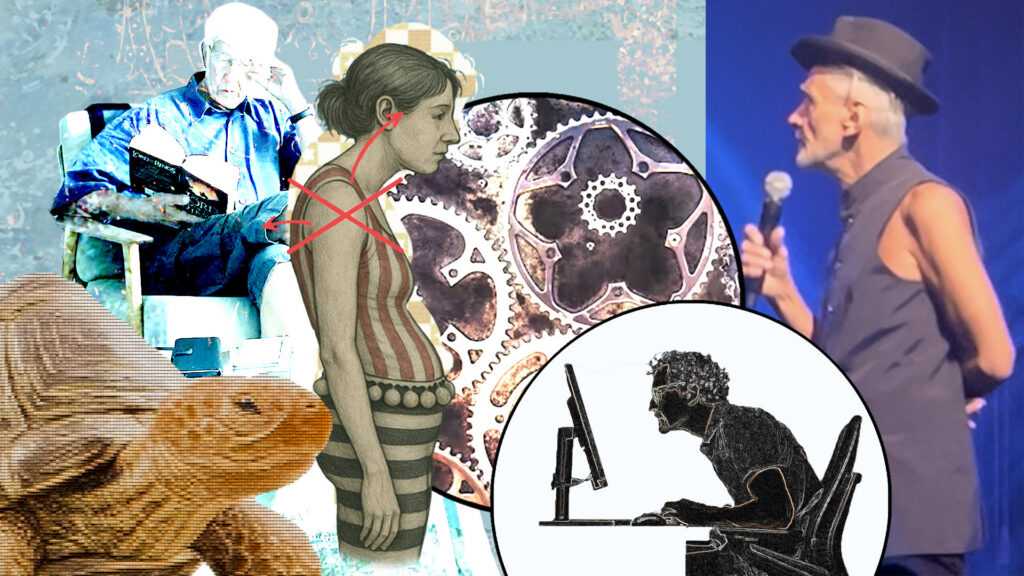
Common causes include sports injuries, accidents, overuse, age-related wear and tear, and poor posture – such as prolonged sitting with a rounded back and forward shoulders.
Treatment options may include:
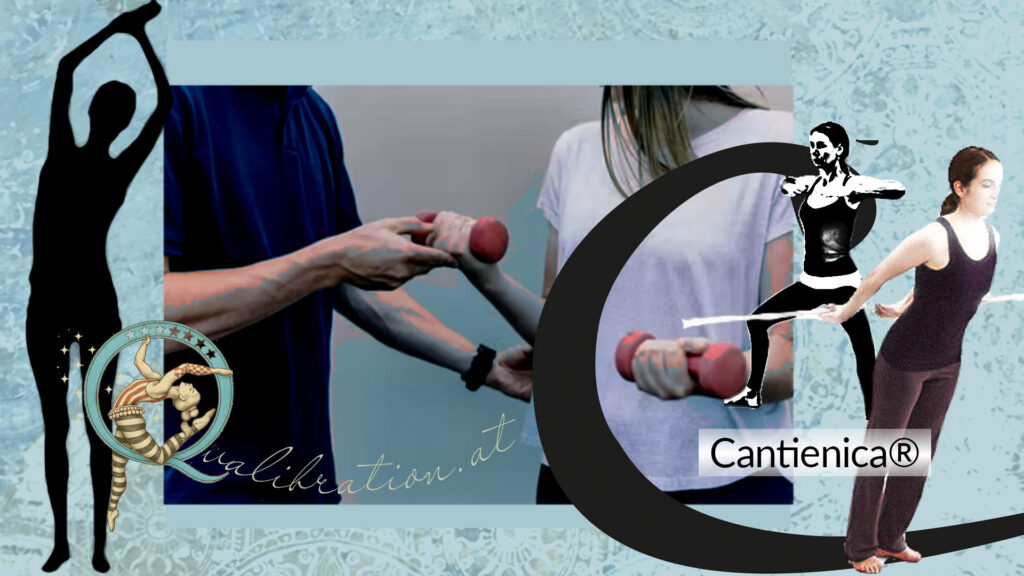
• Physiotherapy and targeted exercises to strengthen the shoulder muscles and tendons (e.g. the CANTIENICA® Method)
• Anti-inflammatory and pain-relieving creams, medication, or injections
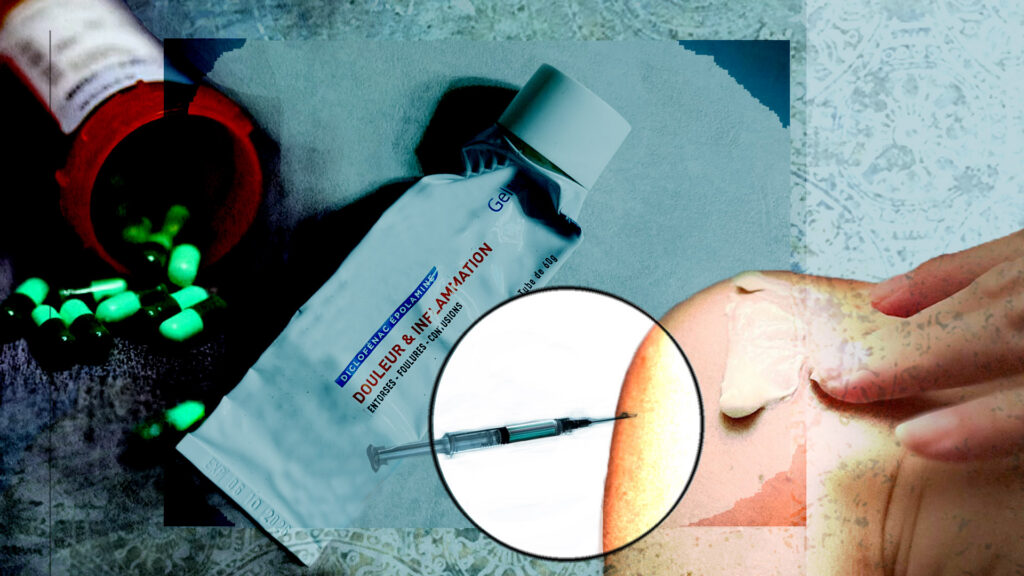
• Regenerative injection therapies to support cartilage health
• Minimally invasive arthroscopic surgery (keyhole surgery) when needed