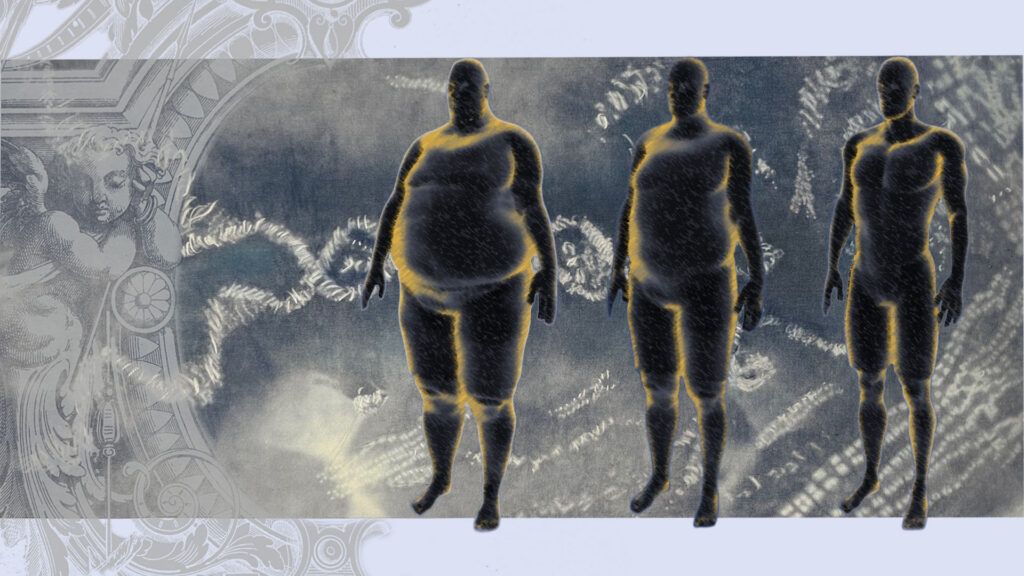
Obesity has become one of the most significant health challenges of our time. Over the past three decades, the number of people living with obesity has increased dramatically worldwide. According to health experts, this development cannot be explained by a single cause. Instead, obesity is now understood as a complex chronic disease influenced by biological, psychological, environmental, and social factors.
Yet despite growing scientific understanding, many misconceptions persist. Obesity is often viewed as a simple consequence of poor lifestyle choices or a lack of willpower. The reality is far more complex.
Obesity Is More Than a Matter of Personal Choice
Obesity rarely develops because of a single factor. In most cases, it results from the interaction of genetic predisposition, eating habits, stress, sleep quality, hormonal influences, emotional well-being, family environment, and socioeconomic circumstances.
Some individuals may be genetically more susceptible to gaining weight than others. However, genetics alone do not determine a person’s future health. Likewise, excessive calorie intake is only one part of a much larger picture.
Modern medicine increasingly recognizes obesity as a chronic condition that develops over time and often requires long-term, multidisciplinary support.
The Impact on Health and Quality of Life
Obesity can affect nearly every aspect of physical health. It is associated with an increased risk of conditions such as type 2 diabetes, cardiovascular disease, high blood pressure, sleep apnea, joint disorders, and certain types of cancer.
Beyond the physical consequences, many individuals living with obesity experience social stigma, reduced self-confidence, and emotional distress. Unfortunately, prejudice and misunderstanding remain common, despite the growing awareness that obesity is a medical condition rather than a personal failure.
For this reason, effective treatment must address not only the physical symptoms but also the broader factors that contribute to long-term health and well-being.
Why Sustainable Change Is So Challenging
Changing long-established habits is one of the greatest challenges anyone can face. Lifestyle patterns are deeply connected to daily routines, family traditions, work demands, emotional coping mechanisms, and social environments.
Many people living with obesity have experienced repeated cycles of dieting and weight regain. While short-term weight loss may be achievable, maintaining results over the long term often requires a comprehensive and individualized approach.

Successful treatment is not about perfection. It is about creating sustainable changes that can be maintained over time and integrated into everyday life.
When Bariatric Surgery May Be an Option
For some individuals, lifestyle changes alone may not be sufficient to achieve significant and lasting weight reduction. In such cases, bariatric surgery can be an effective treatment option.
Procedures such as gastric sleeve surgery or gastric bypass have helped many patients improve their health, reduce obesity-related complications, and regain mobility and quality of life.
However, surgery should not be viewed as a stand-alone solution. Long-term success depends on a commitment to lifestyle modification, nutritional guidance, regular follow-up care, and ongoing support.

A Comprehensive Approach to Long-Term Success
Sustainable weight management is most successful when medical treatment is combined with education, coaching, and personalized support. Understanding individual triggers, developing healthier routines, and building resilience are all essential components of lasting change.
Every person’s journey is unique. What works for one individual may not be the right solution for another. For this reason, treatment plans should always be tailored to the specific needs, health status, and goals of each patient.

How Medconnect Vienna Can Help
At Medconnect Vienna, we support international patients in finding the most appropriate treatment pathway for their individual situation. Through our network of experienced medical specialists and healthcare providers, we help patients access comprehensive obesity treatment programs, lifestyle interventions, and advanced bariatric surgery options when indicated.
Our goal is not only to support successful weight reduction, but also to help patients achieve lasting improvements in health, mobility, confidence, and overall quality of life.
Obesity is not a sign of weakness. It is a complex medical condition that deserves understanding, professional care, and evidence-based treatment. With the right support, meaningful and lasting change is possible.